Läkare.se · Swedish telemedicine platform
Delivered engagement. Coralsoft designed and built this product end to end; figures below retain their evidence level.
What was in place before we started.
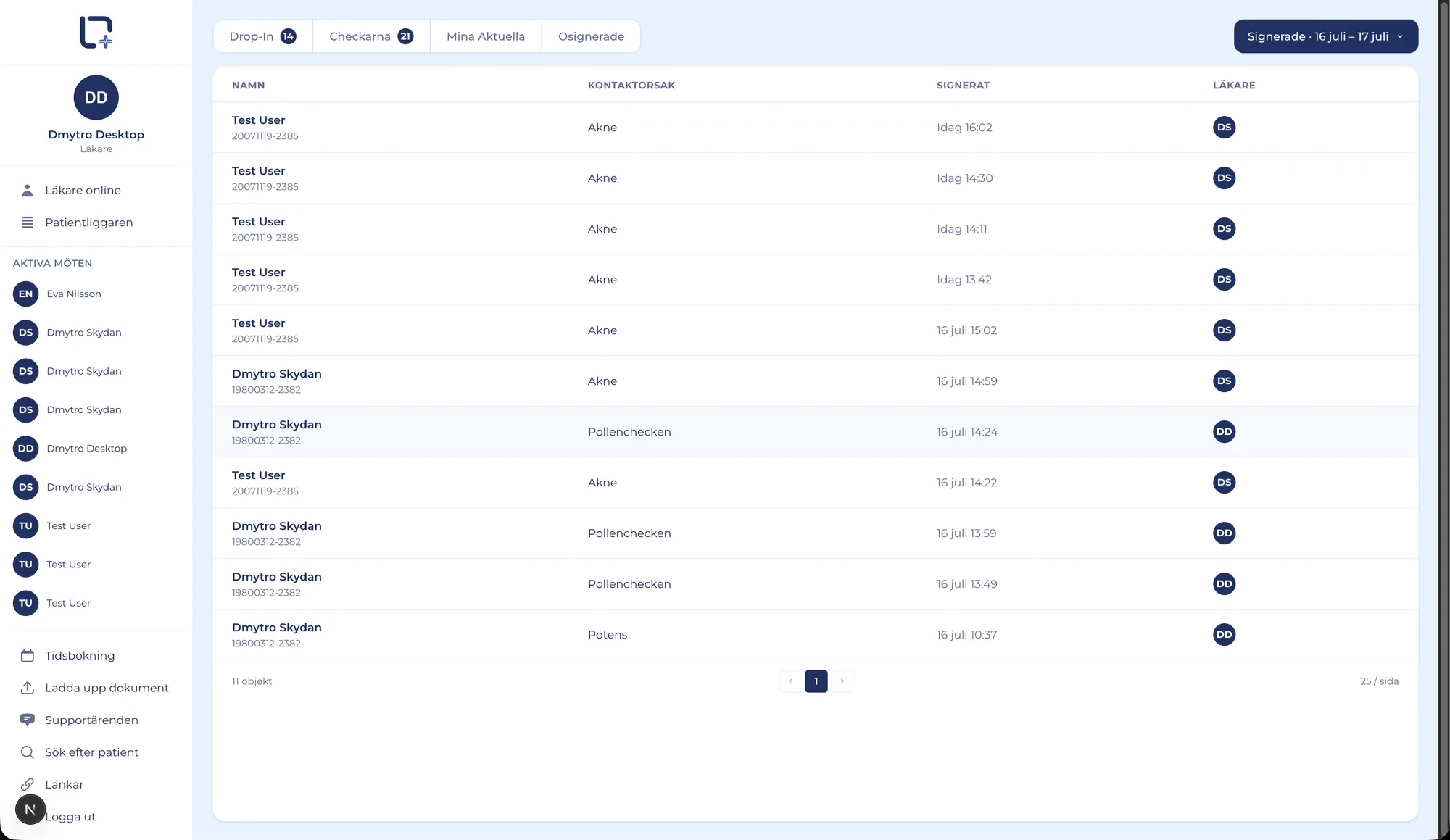
Läkare is a Swedish telemedicine platform connecting patients with doctors for remote care — drop-in consultations, prescription renewals, medical certificates, and specialist referrals — rebuilt full-stack from a Spring Boot monolith onto Bun, Hono, oRPC, Drizzle, and PostgreSQL, with a from-scratch BankID implementation and an idempotent Webdoc EHR integration.
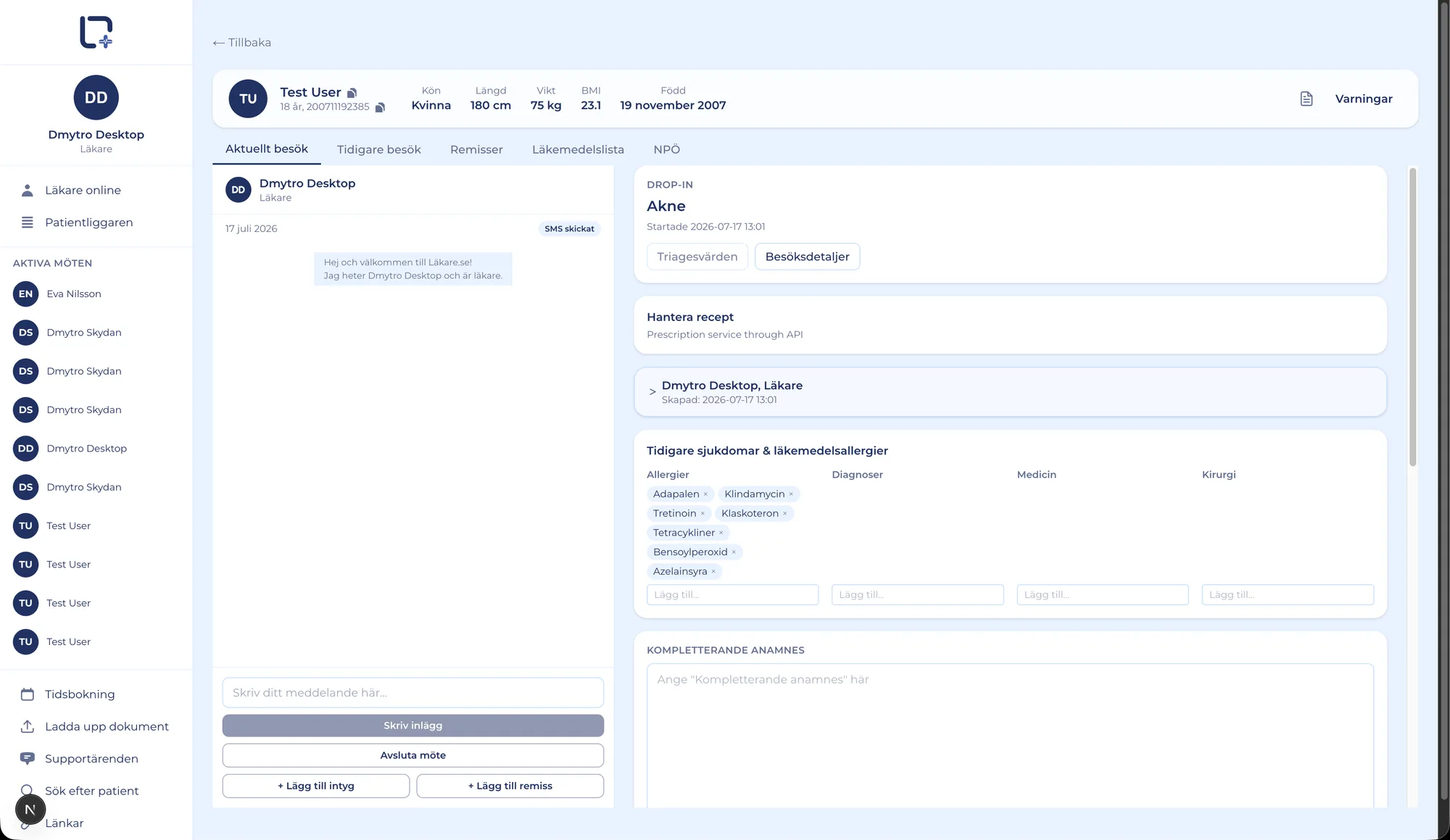
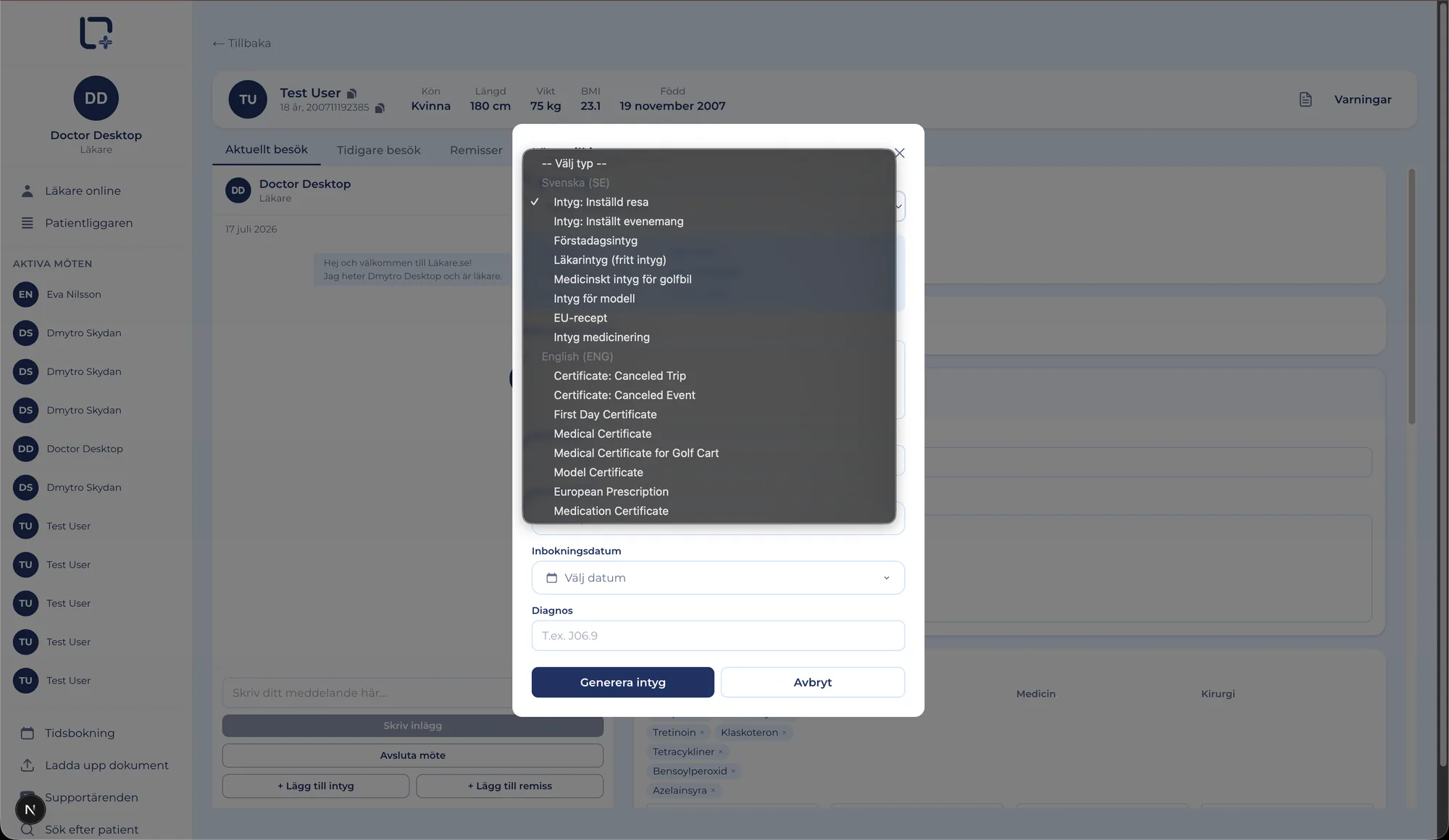
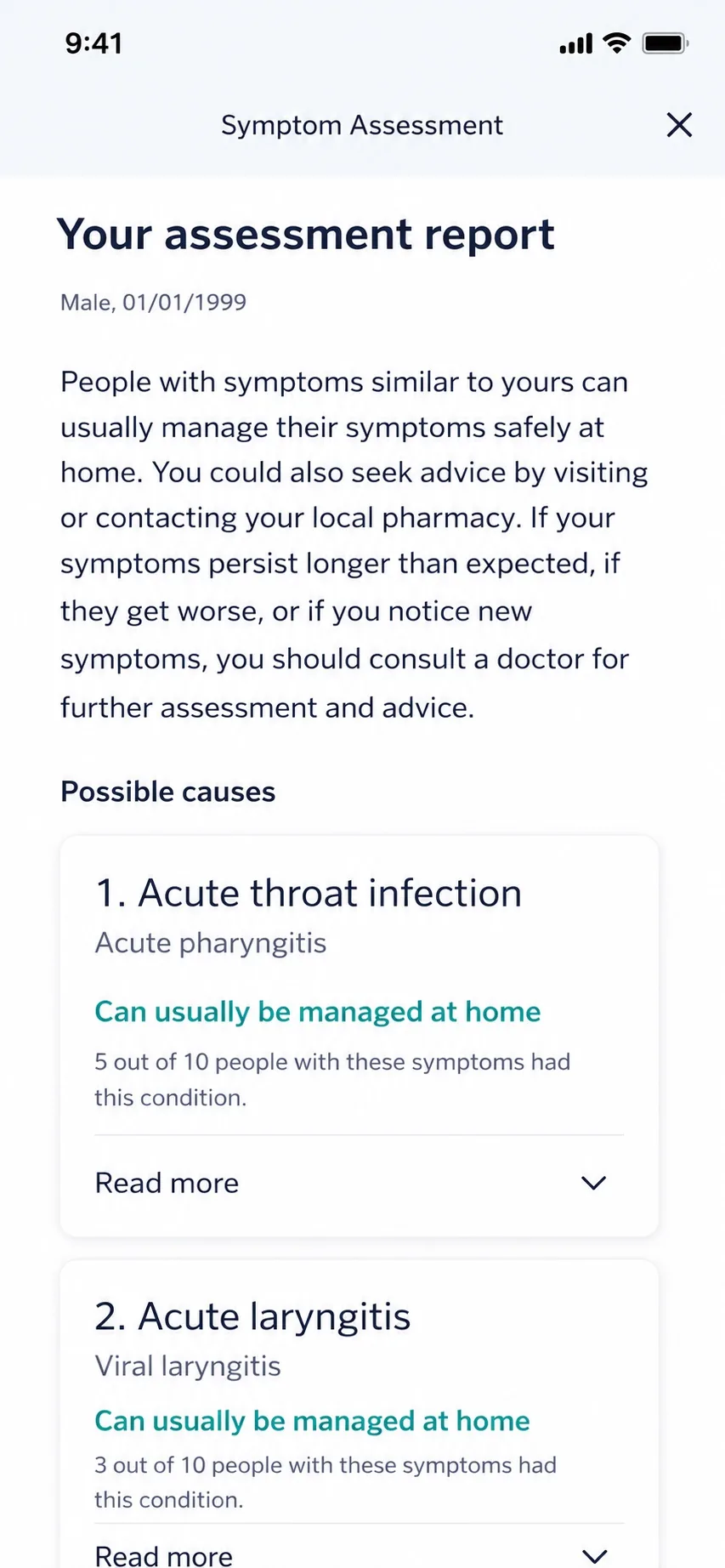
Läkare is a Swedish telemedicine platform connecting patients with doctors for remote care: drop-in consultations, prescription renewals, medical certificates, and specialist referrals. It serves two audiences from one system — patients requesting care through a web platform and a native mobile app, and doctors/clinic staff triaging, claiming, and resolving those requests through a shared real-time queue, chat, and clinical documentation workflow.
Operating inside the Swedish healthcare system means integrating with two pieces of infrastructure that don’t exist in most other markets: BankID, Sweden’s national electronic ID scheme used for authentication instead of passwords or OAuth for the vast majority of users, and Webdoc, a third-party EHR that clinics use as their system of record — every doctor-signed consultation gets written into Webdoc as a real clinical journal entry, not just stored in Läkare’s own database.
As the product’s scope grew, the Java backend became the bottleneck for iteration speed. We rebuilt the backend from scratch as a modular, ports-and-adapters (“hexagonal”) monolith on Bun, Hono, oRPC, Drizzle, and PostgreSQL, replacing the traditional MVC layering entirely.
- Timeline
- 8 months reconstructed
- Team
- 6 people reconstructed
- Budget
- $35k – $40k+ reconstructed
- Platforms
- 3
Each constraint, and what we did about it.
Outcome, with the source of every figure.
How the system fits together.
How it was sequenced.
Discovery & architecture
A full backend rewrite: Spring Boot/MySQL → Bun/Hono/oRPC/Drizzle/PostgreSQL, replacing the traditional MVC layering with a ports-and-adapters monolith.
- Backend rewrite
Core build
A custom Better Auth plugin implementing Sweden’s BankID protocol from scratch — mutual-TLS relying-party client, QR code generation, encrypted server-side transaction state, per-browser/per-device deep-link handling.
- BankID from scratch
Integrations & data
A production integration with Webdoc, including a compare-and-swap idempotency mechanism that makes a multi-step external booking→visit→sign workflow safely resumable across retries and crashes.
- Webdoc EHR integration
Hardening & QA
A real-time doctor queue and chat system built on raw Bun WebSockets, with no third-party realtime service, shared across web and mobile.
- Real-time queue & chat
Launch & handover
Doctors author, autosave, and sign clinical records, with the sign/resign business rules extracted into a single framework-free, unit-tested package shared by both frontends.
- Signing-journal workflow
More work like this.
Every case study is a Coralsoft delivery story, with the evidence behind each figure kept visible.